
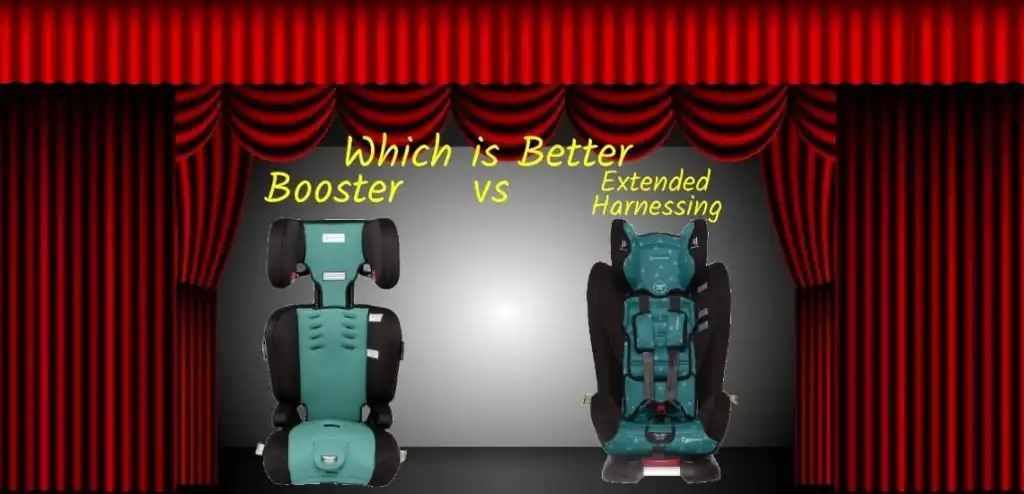
Common misconceptions about booster seats include the belief that they’re a one-size-fits-all solution. In reality, booster seats don’t provide the necessary support for children under 4 years of age, or those who haven’t yet reached the appropriate height or weight for a seat belt. Many booster cushions also lack side impact protection — a critical safety feature that shouldn’t be overlooked.
📜 Where extended harnessing came from
Extended harnessing was introduced on 17 September 2014, with the new Australian Standard for child restraints. The 2014 standard saw the introduction of Isofix child restraints, the G-type child restraint (extended forward-facing), and the A4-type baby car seat (extended rear-facing).
Extended harnessing is a vital concept for young children’s safety in vehicles. The G-type car seat lets children remain harnessed longer than traditional booster seats, promoting better safety as they grow. Understanding the differences between extended harnessing and booster seats — in terms of safety, convenience, and proper fit — matters for every parent.
🎽 Why use extended harnessing
Unverified statistic: our source states that using a harness system reduces the risk of severe injury by up to 70% for children aged 4–7, compared to a booster seat. This figure isn’t cited to a specific study — worth sourcing a proper reference (e.g. Neuroscience Research Australia or Kidsafe Australia) before publishing, so the claim can stand up to scrutiny.
As children grow, proper harness adjustment becomes critical. G-type seats adapt as your child grows while keeping them securely harnessed, without needing frequent re-threading of straps — a common source of parent frustration. The ease of transitioning between harness settings is a real advantage.
When choosing a G-type car seat, consider ease of use, comfort for the child, and the seat’s safety ratings. The Safe n Sound Maxi Guard offers a comfortable design and user-friendly harness adjustment, making it a favourite among parents. The Infa Emerge by Infa Secure is praised for robust side-impact protection.
These seats are designed to keep children harnessed until they reach a height or weight where transitioning to a standard seat belt is genuinely safe — reducing injury risk, since children are generally safer secured in a harness than restrained by a seatbelt alone.
Many parents rush transitioning their children to booster seats. While legal requirements may allow this at 4 years old, best practice suggests keeping children in G-type seats until at least 6 years old, or until they reach their seat’s maximum weight limit — this extra precaution can save lives.
The Safety 1st Sentry has a complicated rethread path, which raises a real question: what happens if it’s threaded incorrectly?
⚠️ Problems with booster seats
The law says a child must be harnessed until 4 years of age, yet sadly some parents move their child to a booster seat as soon as they turn 4.
The Australian standards board for child restraints recognised this and introduced shoulder height markers into the 2010 standard — but many parents are still moving children into booster seats prematurely. The G-type seat (extended harnessing) removes this problem entirely.
Heading on holiday in Melbourne? Hire an extended harnessing seat from TravelSafe — solving the premature-booster-seat problem even when you’re away from home.
Bum boosters and booster cushions should never be used — they have no side impact protection and no back support for your child.
✅ Why a G-type car seat is safer than a booster
While Isofix provides a secure installation method, not all seat types can accommodate it. Extended harnessing seats offer flexibility and safety features that keep children well-protected — often the smarter choice for parents who want the best for their children.
Parents are encouraged to seek professional advice when selecting a car seat and to keep up with the latest safety standards. Regularly reviewing the fit of the car seat, and adjusting it as needed, can make a real difference to your child’s safety.
🔧 Is Isofix safer?
The 2014 Australian Standard introduced Isofix as an installation method. Isofix can’t be used on extended harnessing seats — it’s only available on seats designed up to a maximum of 4 years of age.
The choice between extended harnessing and booster seats isn’t just a preference — it’s a decision that genuinely impacts a child’s safety during car travel. Stay informed about the latest standards, the benefits of extended harnessing, and the risks of premature transitions to booster seats. Prioritising safety and compliance leads to safer journeys for all children.
❓ Frequently asked questions
Is extended rear facing worth it? +
What is extended harnessing (G-type)? +
When did extended harnessing become available in Australia? +
Should I move my child to a booster seat at 4 years old? +
Can Isofix be used on extended harnessing seats? +
Are bum boosters and booster cushions safe? +
Can I hire an extended harnessing seat for a Melbourne holiday? +
Baby Car Seat Installation in Melbourne
We are open Monday to Friday, 9am to 5pm. We service Bayside and the South East suburbs of Melbourne.
Mobile 0420 516 587